You have found a property at a very attractive price. Congratulations. But before you sign, ask yourself a simple question: how much will you pay every month to live there?
Many buyers only look at the purchase price. That is a mistake. An “affordable” property can quickly become a money pit in a poorly planned environment.
In Dakar and its outskirts, the difference between a good and a bad investment often comes down to what we call the living budget.
1. What is the living budget?
The living budget covers all the recurring expenses you pay every month once you have moved in. Unlike the purchase price, these costs never stop.
The living budget includes:
- Water and electricity,
- Security,
- Transportation,
- Routine maintenance,
- Homeowners’ association fees,
- And sometimes… unexpected costs caused by poor infrastructure.
You pay for a purchase once. You pay for a living environment every month.
2. The hidden costs of a “good price”
Many low-cost projects are in areas where developers have not thought about the essentials.
- Water and electricity, when having no connection is expensive. In some outlying areas, there is no Senelec (electricity) or SDE (water) service. You have to drill a well, install a generator or solar panels, and pay to maintain this equipment. The result: your monthly bill skyrockets. A well-planned project builds solar power into every building. Architects study building orientation, window sizes and sun shading to capture natural light without overheating the home. The result: you use less air conditioning and less electricity. A quiet, discreet and real saving.
- Transportation, when living far away means paying more every day. A property 30% cheaper in a hard-to-reach area can cost you dearly in time, money and career opportunities. Between fuel, tolls, wear and tear on the car and hours lost in traffic, the “savings” on the purchase price quickly disappear. There is also the significant cost of career opportunities lost because you live in a hard-to-reach area. A cheaper apartment far from the center is not a saving; it is more like a subscription to traffic jams. An integrated city reduces the need to travel. When shops, offices, healthcare, schools, sports and leisure are within walking distance or a few minutes away, you no longer pay to get around. You live.
- Security, when you have to arrange everything yourself. In unplanned areas, there is often no neighborhood security. You have to install your own cameras, hire a guard, reinforce gates and fences, without ever really feeling completely safe. Buyers rarely include these monthly expenses in their initial calculation.
- Flooding, when the water catches up with you. Almost every neighborhood in Dakar is built without proper sanitation or well-designed stormwater drainage. As soon as it rains, the streets turn into rivers. The consequences: you lose time and energy dealing with flooding instead of spending it on your work or your family. Damaged cars, blocked roads, standing water that damages foundations, health risks. Repairing a car, pumping out water, rebuilding a cracked wall… nobody plans for these expenses. And yet they happen in Dakar more often than you think. Without drainage, a heavy rain turns into a bill.
- Maintenance, when poor quality is expensive. A property built with low-end materials or by unskilled workers deteriorates quickly. Peeling paint, broken air conditioning, leaking pipes and a run-down look wherever you turn. You pay twice: once at purchase (low price), and a second time for repairs and fixes. On the other hand, shared maintenance reduces costs. When upkeep of green spaces, cleaning, roads and shared facilities is pooled across a neighborhood, each household pays less than if it handled everything alone. It is simpler, more regular and less expensive.
3. What to check before you buy
| Item | Question to ask |
|---|---|
| Water | Is the property connected to the SDE water network? If not, what does drilling a well and maintaining it cost? |
| Electricity | Is the property connected to the SENELEC grid? Are the buildings oriented to reduce the need for air conditioning? Does the developer plan solar installations across the project that will lower my monthly electricity bills? |
| Transportation | What services (shops, school, healthcare, leisure, etc.) can be reached in less than a 5-minute walk? |
| Sanitation | Does wastewater go to the sewer? Is there a stormwater drainage network? Has the neighborhood ever flooded? |
| Security | Does my apartment door meet security standards (reinforced door, multi-point lock, etc.)? Is there access control in my building? Are security guards planned? Cameras? A secure gate? |
| Maintenance | Who maintains the shared spaces? At what monthly cost? |
In short: do not look only at the entry price
A property in Dakar is more than its purchase price. What matters is what you spend each month to live there. Projects that are too cheap often hide missing infrastructure, no utility connections, fragile finishes, unavoidable commutes… and sometimes water that floods everything.
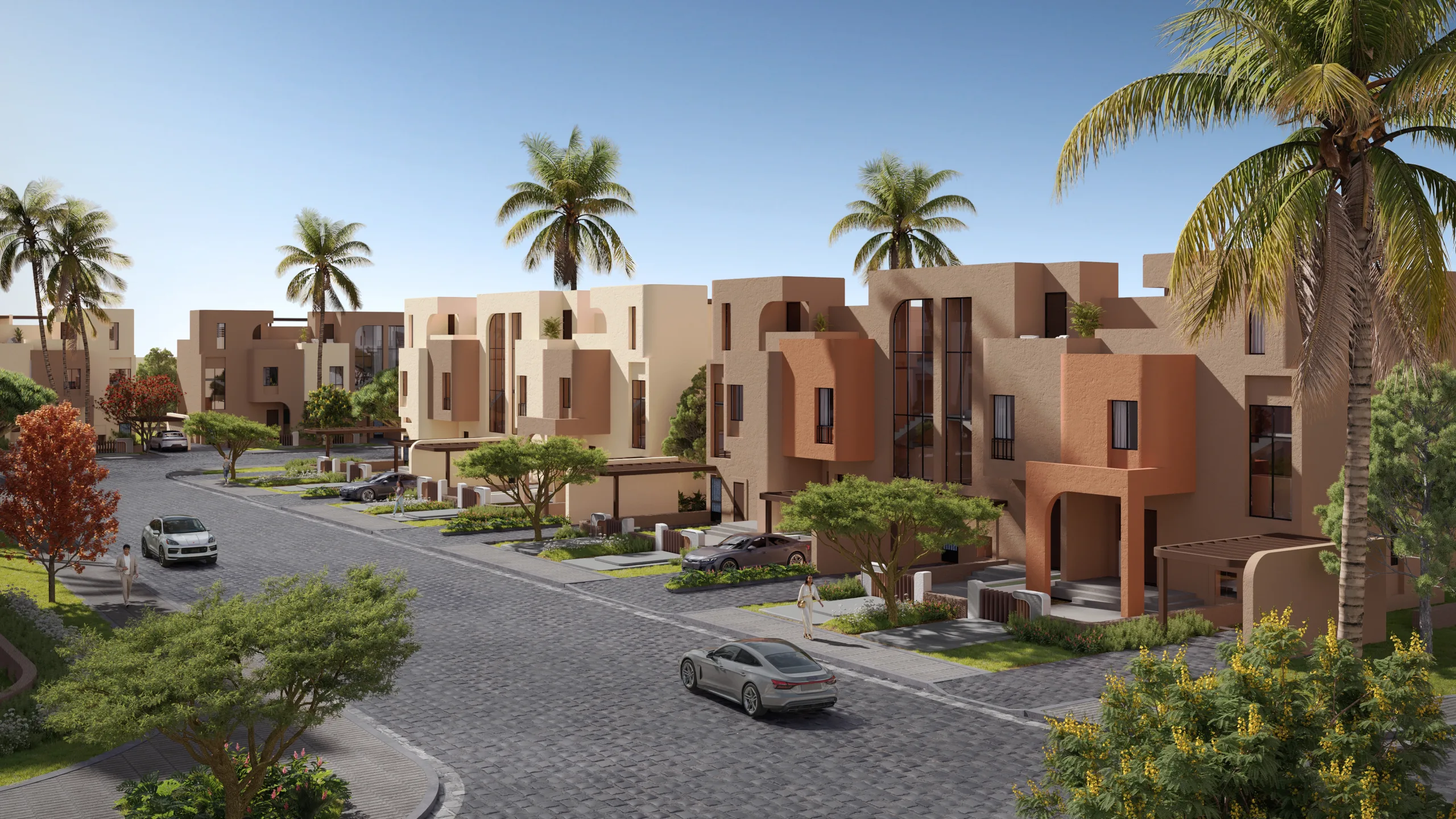
A well-planned project is the opposite. It means official utility connections, buildings oriented to save electricity and solar installations throughout. It also means shared management that lowers maintenance costs, a city design that brings basic services close to home, and drainage that keeps rain from turning into a disaster.
Want to compare a purchase budget with a living budget? Contact us. We will show you the difference.